As we move through post-menopause, our bodies undergo profound changes—not just hormonally, but also in our immune function. The thymus gland, often overlooked, plays a crucial role in supporting a strong immune system. By nourishing the thymus, we can promote resilience, vitality, and long-term wellness.
The Thymus: Your Immune Powerhouse
The thymus gland, located behind the sternum, is responsible for the development of T-cells, which help our bodies fight infections and maintain immune balance. Unfortunately, the thymus naturally shrinks with age, leading to a decline in immune function. However, targeted nutrition and self-care practices can help support its function and overall immunity.
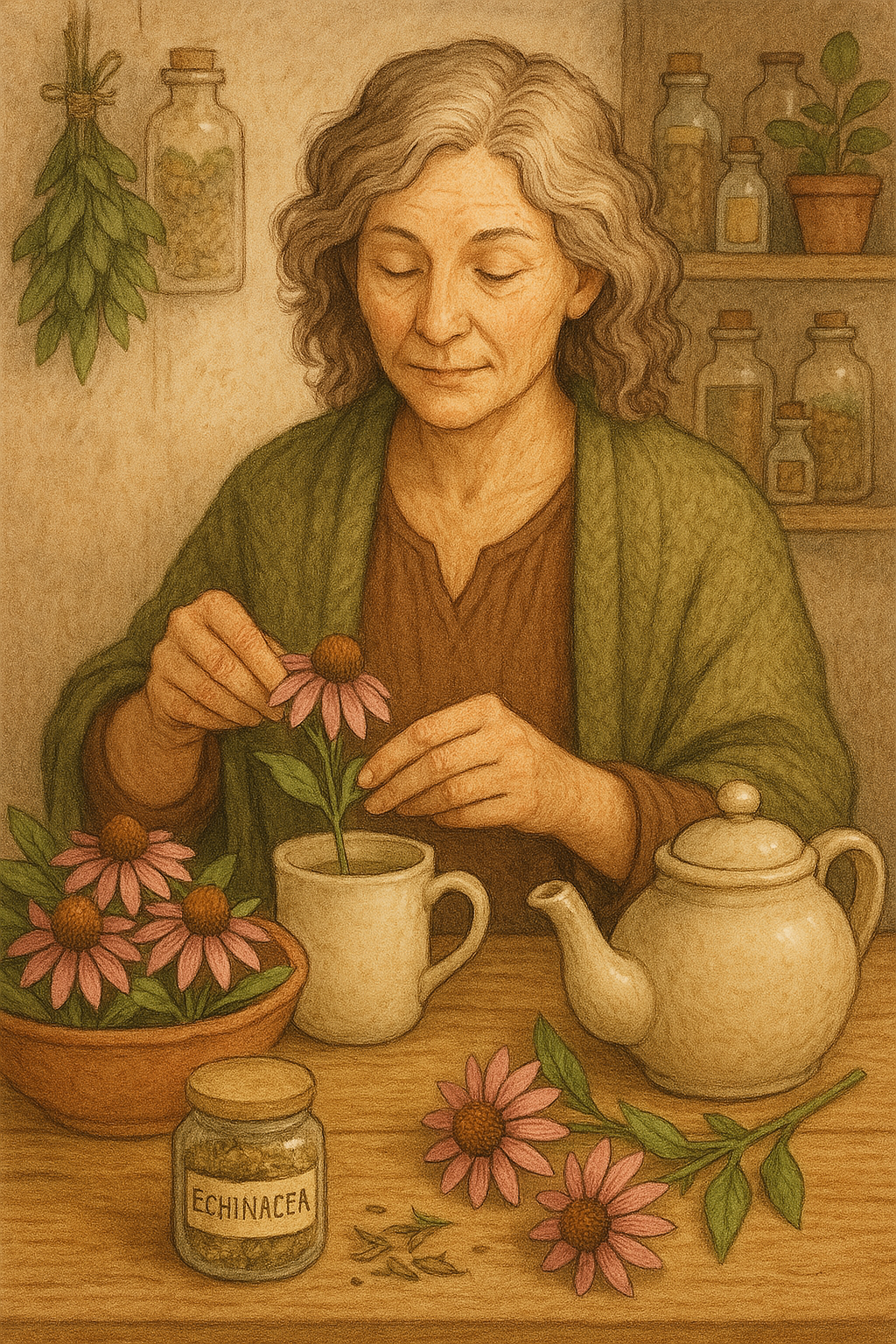
Echinacea 🌸Stimulates T-cell activity and helps the thymus produce infection-fighting white blood cells. Drink as tea or take as a supplement during cold/flu season.
How Nutrition Supports the Thymus and Immunity
Post-menopausal women can optimize their immune function by consuming foods rich in nutrients essential for the thymus. Key nutrients include:
Zinc – Found in pumpkin seeds, lentils, and shellfish, zinc is vital for T-cell production.
Vitamin C – Supports thymic function and is abundant in citrus fruits, bell peppers, and leafy greens.
Vitamin A – Crucial for immune defense, found in sweet potatoes, carrots, and eggs.
Selenium – A powerful antioxidant found in Brazil nuts and sardines.
Omega-3 Fatty Acids – Reduce inflammation and support immune resilience, sourced from salmon, walnuts, and flaxseeds.
To help you integrate these nutrients into your daily life, here’s a simple yet powerful meal plan:
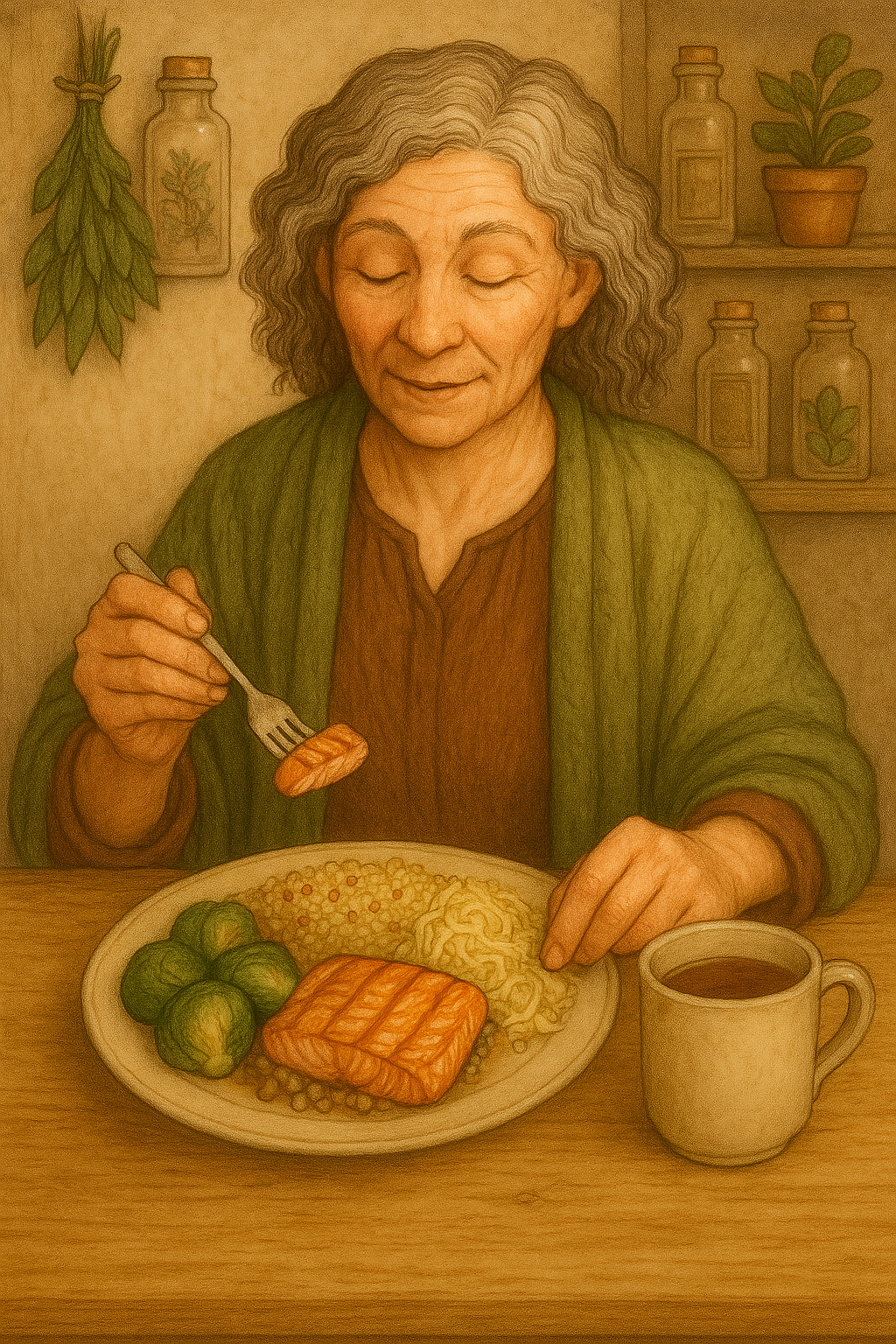
Day 1:
Breakfast: Scrambled eggs with spinach & mushrooms, whole grain toast, green tea
Lunch: Grilled salmon with quinoa & Brussels sprouts, side of sauerkraut
Snack: Brazil nuts & orange slices
Dinner: Lemon-garlic baked chicken, steamed broccoli & carrots, sweet potato mash
(Repeat similar nourishing meals throughout the week, focusing on whole, unprocessed foods rich in immune-supporting nutrients.)
Self-Care as Immune Care
Beyond nutrition, self-care is essential in keeping the immune system strong. Here are key practices to integrate into your routine:
Gentle Movement: Yoga, stretching, or walking to reduce stress and enhance circulation.
Quality Sleep: Prioritize rest to allow the thymus to regenerate and function optimally.
Stress Management: Meditation, journaling, or deep breathing to regulate cortisol levels.
Hydration: Herbal teas and mineral-rich broths to support immune health.
Embrace Nourishment, Not Fear
Your body is incredibly wise. Rather than focusing on fear-based approaches to aging, embrace nourishment as an act of self-care and empowerment. By prioritizing the right nutrients and lifestyle practices, you can support your thymus, strengthen your immune system, and thrive in post-menopause.
Are you ready to take control of your health? Start today by incorporating these simple, nourishing practices into your daily life!
- Mar 26, 2025
Nourishing Your Thymus: The Key to Post-Menopausal Immune Support
- Sue Petersen
- 0 comments